

Procell Treatment - 90 minutes Gallery
$$MultiPurposeText$$
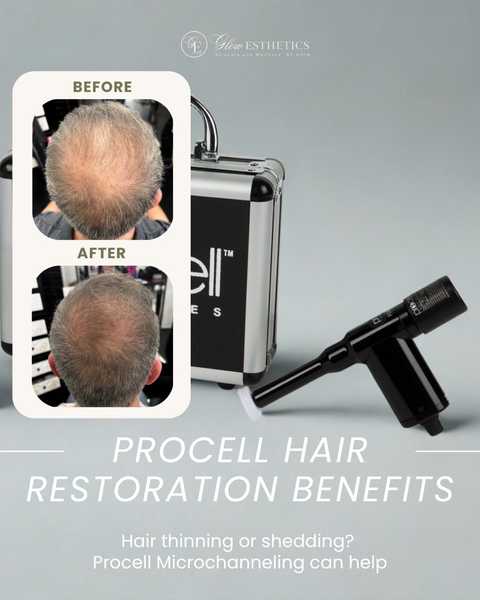
See examples of our Procell Treatment - 90 minutes work and results.













What Our Clients Say
$$MultiPurposeText$$
Read testimonials from our satisfied customers

Dhin has a gift! Best facial I have EVER experienced. Her procell treatment is removing my...more

...more
Frequently Asked Questions
Get answers to common questions about Procell Treatment - 90 minutes.
Most clients experience minimal discomfort due to topical numbing. You may feel mild tingling or heat during microchanneling and LED. Temporary redness and sensitivity typically resolve within 24–72 hours. Downtime is brief, and most people resume regular activities the same or next day.
We typically recommend a series of three to six sessions spaced four to six weeks apart for optimal collagen remodeling and pigment correction. Individual needs vary; your clinician will create a personalized plan and suggest maintenance treatments every three to six months to sustain results.
Ideal candidates have concerns like aging skin, laxity, acne scarring, uneven texture, or pigmentation. Not suitable for active acne infections, recent isotretinoin use within 6–12 months, pregnancy, or certain autoimmune conditions. A thorough consultation and medical history review determine eligibility and safety.
Aftercare includes gentle cleansing, broad-spectrum SPF, and avoiding retinoids, exfoliants, or aggressive products for 5–7 days. Use the provided soothing serums and avoid prolonged sun exposure, hot baths, or intense exercise for 48–72 hours. Follow your clinician's tailored homecare instructions for best results.
You may notice immediate hydration and subtle plumping, but collagen and elastin rebuilding continues over weeks. Visible improvement in texture, scars, and firmness typically appears within 4–12 weeks, with progressive gains after each session and peak results following a recommended treatment series.
Yes. This treatment includes Celluma LED and pairs well with complementary therapies when timed correctly. Avoid aggressive chemical peels or laser treatments immediately before or after; injectable procedures should be scheduled at least one to two weeks apart. Your clinician will coordinate a safe combination plan.